
Blog
10 Facts You Probably Didn’t Know About Thai Buddhism
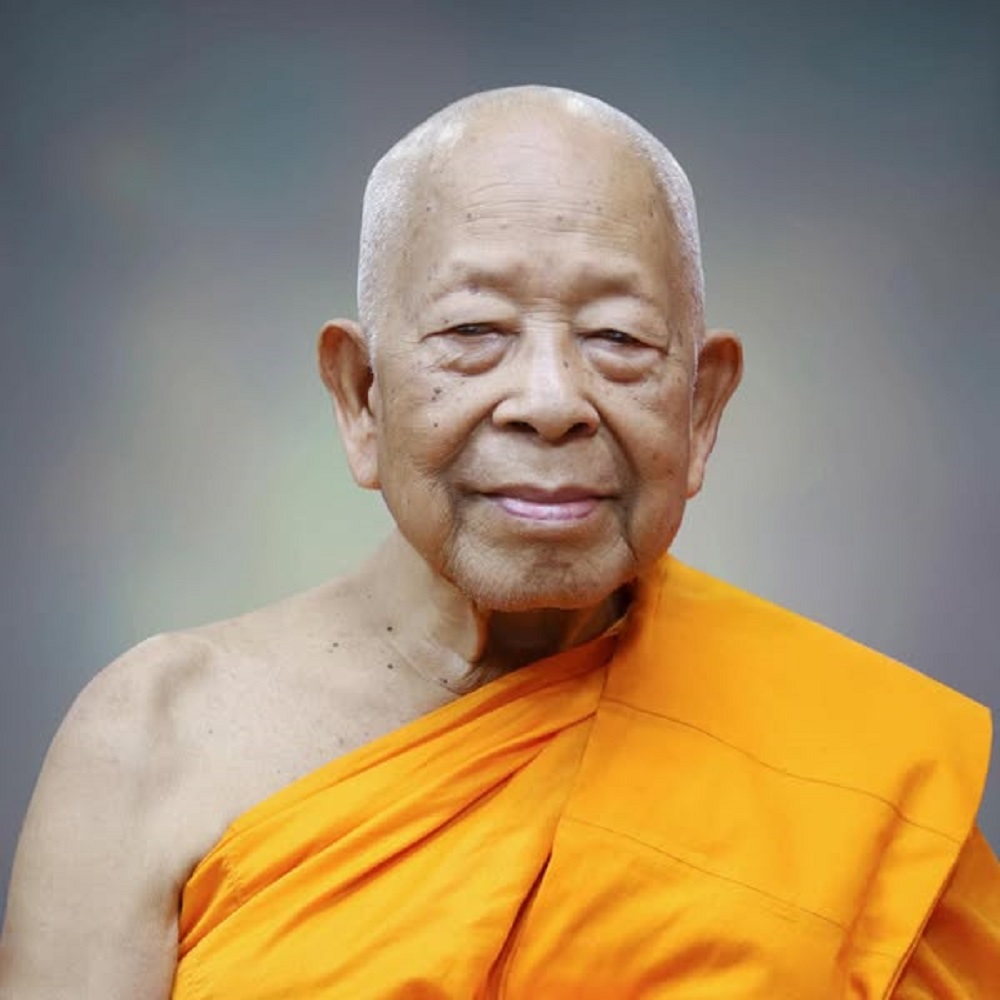
Buddhism is not just a religion in Thailand — it’s deeply woven into the daily lives, culture, and traditions of the people. With nearly 95% of the population practicing Buddhism, there are countless rituals and beliefs that may surprise visitors. Here are 10 fascinating facts about Thai Buddhism you probably didn’t know.
1. The Orange Robes Have Meaning
The saffron or orange robes of monks symbolize simplicity and detachment from materialism. Traditionally, the color came from natural dyes made from tree bark, spices, and leaves.
2. Around 300,000 Monks in Thailand
At any given time, there are about 300,000 monks living in Thailand’s temples. This number fluctuates because many young men enter the monastery temporarily.
3. Most Thai Men Become Monks — At Least Once
It’s customary for Thai men to spend a period as a monk, often before marriage, to gain merit (bun) for themselves and their families. This can last anywhere from a few weeks to several months.
4. Monks Only Eat in the Morning
Monks in Thailand are only allowed to eat from sunrise to noon. After that, they abstain from solid food until the next day.
5. Monks Don’t Handle Money
By tradition, monks are forbidden from touching or carrying money. Any offerings of cash are managed by laypeople on their behalf.
6. Temples Feature Mysterious Symbols
In many temples (wats), you’ll see phallic-shaped statues or carvings called lingams, which symbolize fertility and strength — a nod to ancient pre-Buddhist beliefs.
7. Monks Can’t Touch Women
Monks are not allowed to touch women, and women shouldn’t hand objects directly to a monk. Instead, items are passed using a cloth or placed on the ground for the monk to pick up.
8. Buddha Images Are Sacred — And Protected
In Thailand, Buddha statues and images are considered sacred. Misusing them — like placing them as decoration or tattoos without respect — is frowned upon and even prohibited by law.
9. Mythical Creatures Guard the Temples
Many temple gates are flanked by enormous statues of mythical creatures — such as nagas (serpent deities) or yakshas (demons) — which are believed to protect the temple from evil.
10. Monks Serve as Teachers and Advisors
Monks in Thailand play a vital role in their communities, offering guidance, teaching, counseling, and even traditional medicine.
Conclusion
Exploring Thai Buddhism offers a deeper understanding of the country’s heart and soul. The traditions and practices of Thai monks and temples are not just beautiful to witness but also tell stories of centuries-old wisdom and culture.
#ThaiBuddhism
#TempleLife
#DiscoverThailand
#BuddhismFacts
#SpiritualJourney